The Last of Us Hurts Most When Nobody Is Running
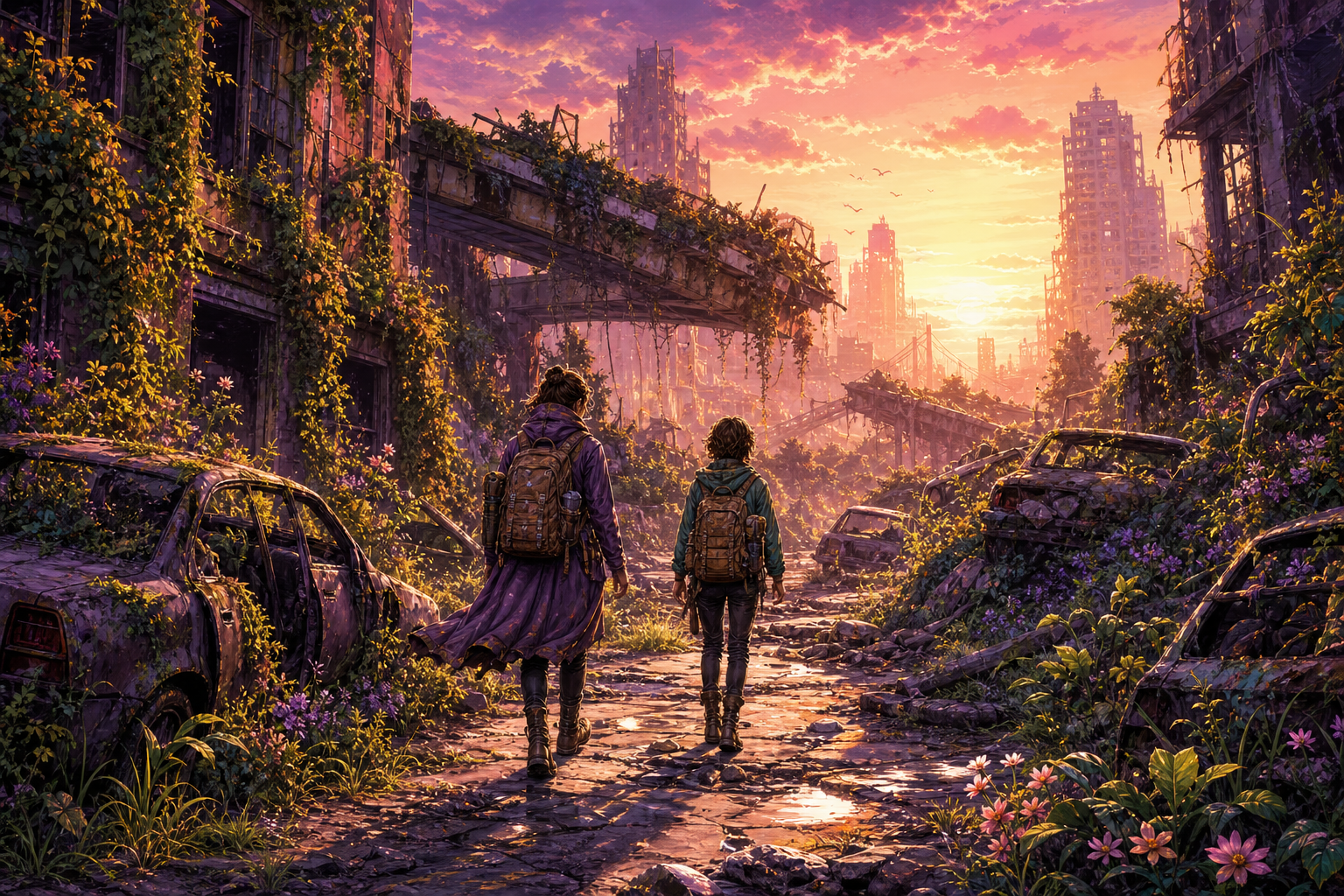
The infected are terrifying, yes, but the quiet rooms are where The Last of Us quietly removes your ribs.
The Last of Us hurts most when nobody is running.
Yes, the infected are dreadful. A Clicker can enter a corridor and immediately make every sensible person consider becoming a cupboard. The fungus has done far too much. There are noises in that show that should require a handwritten apology from nature.
But the part that gets you, the part that sits down beside you three hours later while you are trying to make a normal cup of tea, is usually quieter.
Two people in a room.
A car that has stopped moving.
A meal nobody fully trusts yet.
A question asked in the dark because daylight would make it too big.
The Last of Us understands something survival stories sometimes forget in all the sprinting, stabbing, barricading, and solemn map-pointing. We are scared of the monsters, obviously. We are also scared of needing someone after the world has made needing people look foolish.
That is where Joel and Ellie live.
At first, they are a job and a problem wearing backpacks. He is closed up so tightly you assume there is a small council inside him stamping forms marked absolutely not. She is sharp, funny, furious, and still young enough to ask questions at the worst possible time, which is also the only possible time.
Then the show keeps putting them in quiet rooms.
It gives them pauses. Bad jokes. Food. Arguments. Little tests. The terrible intimacy of being stuck with one other person when civilisation has gone off into the trees and started making clicking sounds.
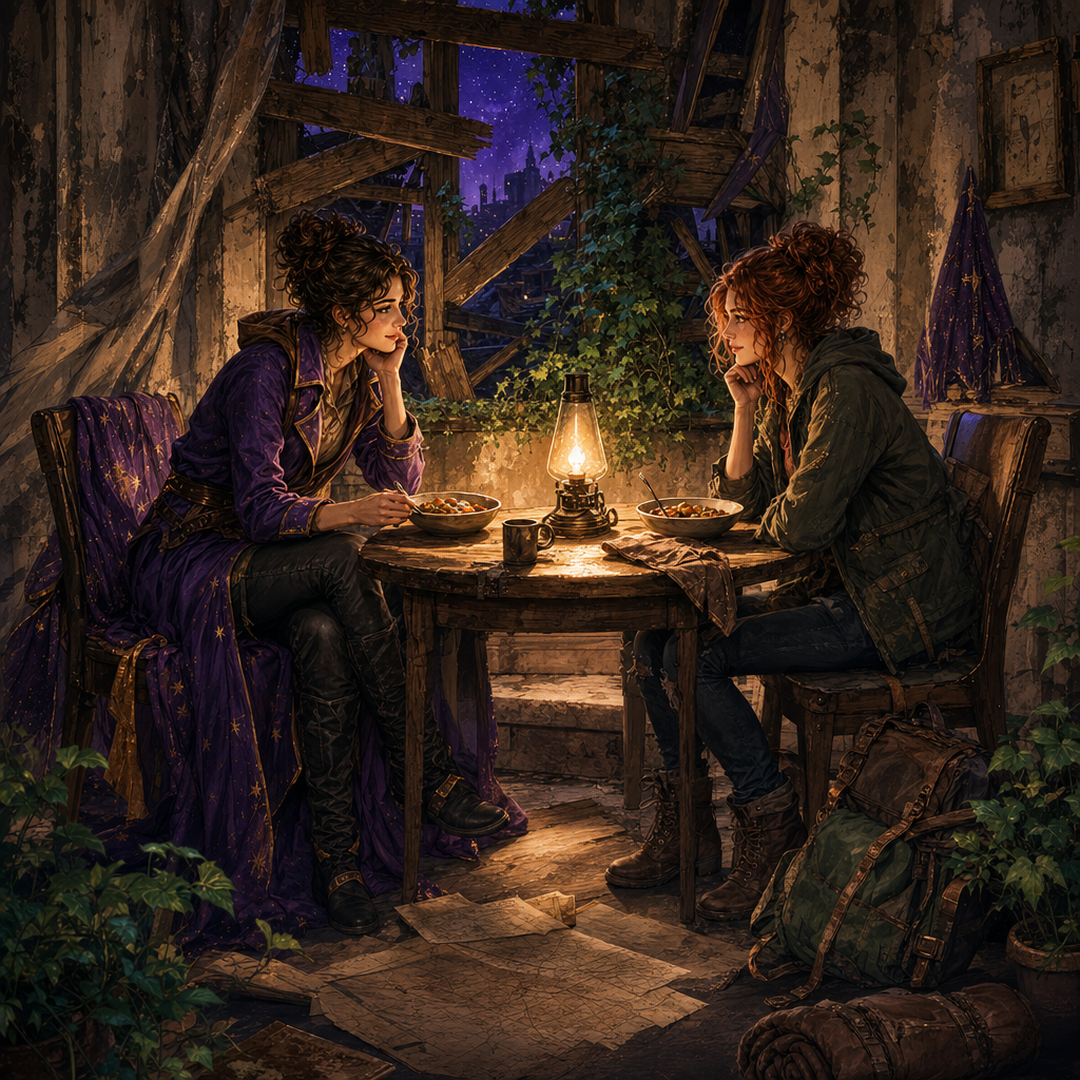
That is the great trick of The Last of Us, if we are calling it a trick, although it feels less like a trick and more like being gently escorted into a chair and emotionally searched.
The danger outside makes the quiet inside matter more.
A normal conversation becomes enormous because nobody is guaranteed another one. A joke lands harder because it has no business surviving here. A soft look across a room feels nearly indecent. People are dying, buildings are mouldering, and someone has just decided to care about another human being again. Reckless behaviour. Practically decorative glassware in a room full of elbows.
Bill and Frank are the clearest proof. Their story could have been a grim little side passage with traps and tinned food and one man being expertly suspicious in several different shirts. Instead, it becomes a whole life.
A meal.
A song.
A garden.
Two men making a home while the world outside keeps insisting homes are finished.
That episode stays with people because it stops running long enough to let love take up the whole room. The apocalypse is still there. It has not politely waited in the hall. But for a while, the point is not how long anyone can survive.
The point is what survival is for.
Henry and Sam do something similar, with a much sharper knife tucked under the table. Their tenderness makes the danger worse because now there are names attached. Faces. Rules. A child with a slate. A brother trying to be brave past the limit of the human spine.
The show keeps teaching us to count people before we count threats.
That is why the quiet scenes feel so powerful. They make the loss personal before the loss arrives. They let care grow in small, awkward, funny ways, then make us carry it through the next locked door.
And honestly, that is why we love survival stories at all.
The running is exciting. The monsters are useful. The abandoned supermarket has a certain grim charm, provided nobody asks you to use the toilets.
But what we come for, what we stay for, is the moment someone shares the last bit of food. The moment a hardened person softens by one millimetre and everyone watching behaves as though a cathedral has opened. The moment two people stop treating each other as luggage and start becoming impossible to lose.
The Last of Us is full of horror, but its real weight is tenderness under pressure.
It knows the world can end loudly.
It also knows your heart usually breaks in a quiet room.