House of the Dragon and the Poison Daughter Inheritance
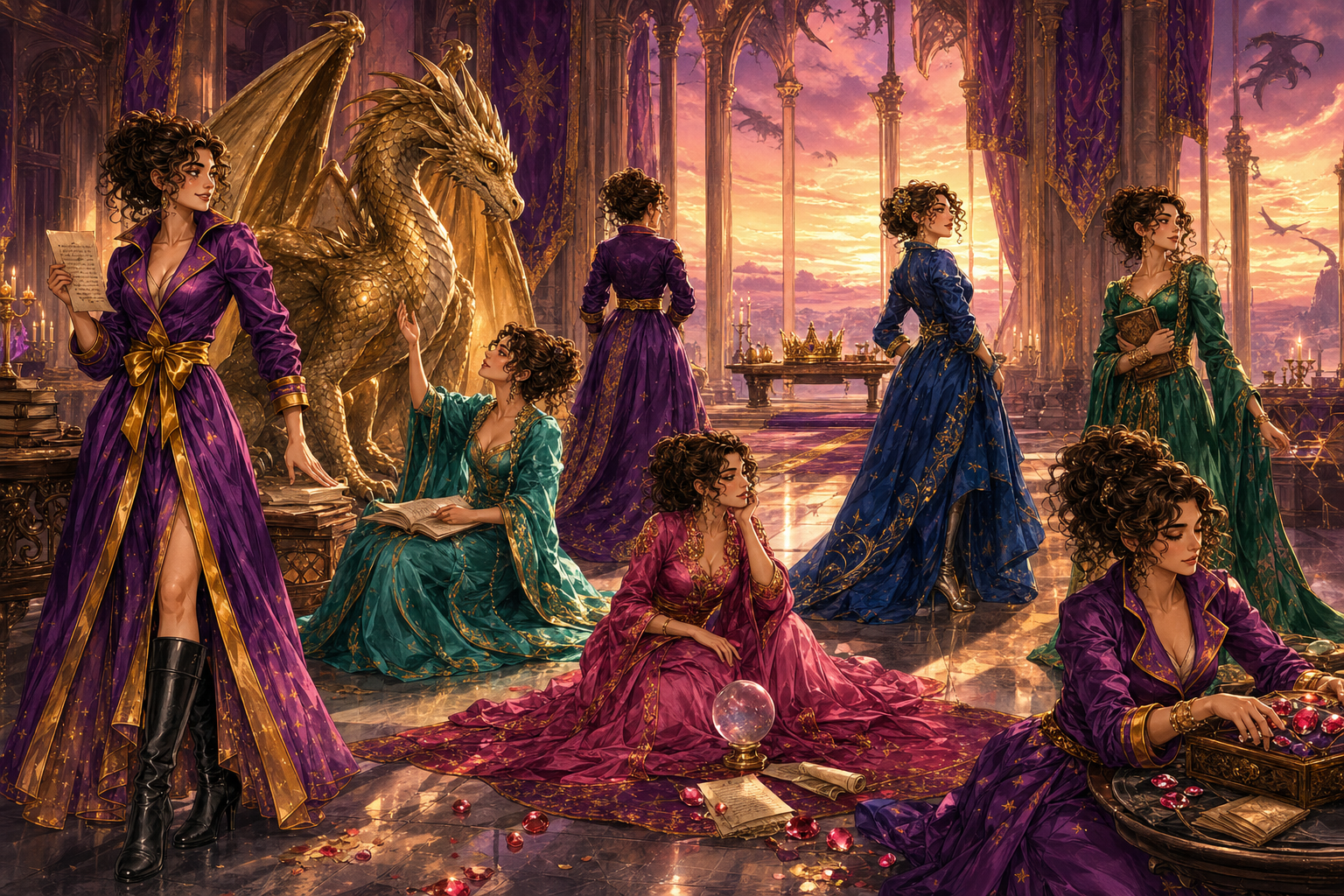
A sharp little love letter to daughters born into crowns, houses, family names, and other pretty traps with teeth.
House of the Dragon knows the most dangerous thing in a castle is not always the dragon.
Sometimes it is a daughter raised under a family name so heavy it should come with a warning bell and three responsible adults. A girl born into velvet rooms, whispered deals, bloodlines, old grudges, and a crown sitting nearby like a very shiny accident waiting to happen.
This is the itch fantasy keeps scratching for us: The Poison Daughter Inheritance.
You know her.
She is the daughter handed a legacy wrapped in silk, rules, jewels, and quiet threats. She may get the gown, the title, the room with the view, the terrifying relatives, and the family motto embroidered on everything like branding for emotional damage.
Lucky her.
Except the gift is never just a gift.
The house wants her obedience. The crown wants her body in the right chair. The family name wants her to carry every bad choice made by people who came before her and smile prettily while doing it.
And somewhere under all that polish, she starts to change.
Not because she was born cruel. Not because she woke up one morning and selected villainy from a breakfast tray. Because inheritance stories understand a horrible little truth: when a family builds a throne out of fear, the children still have to sit somewhere.
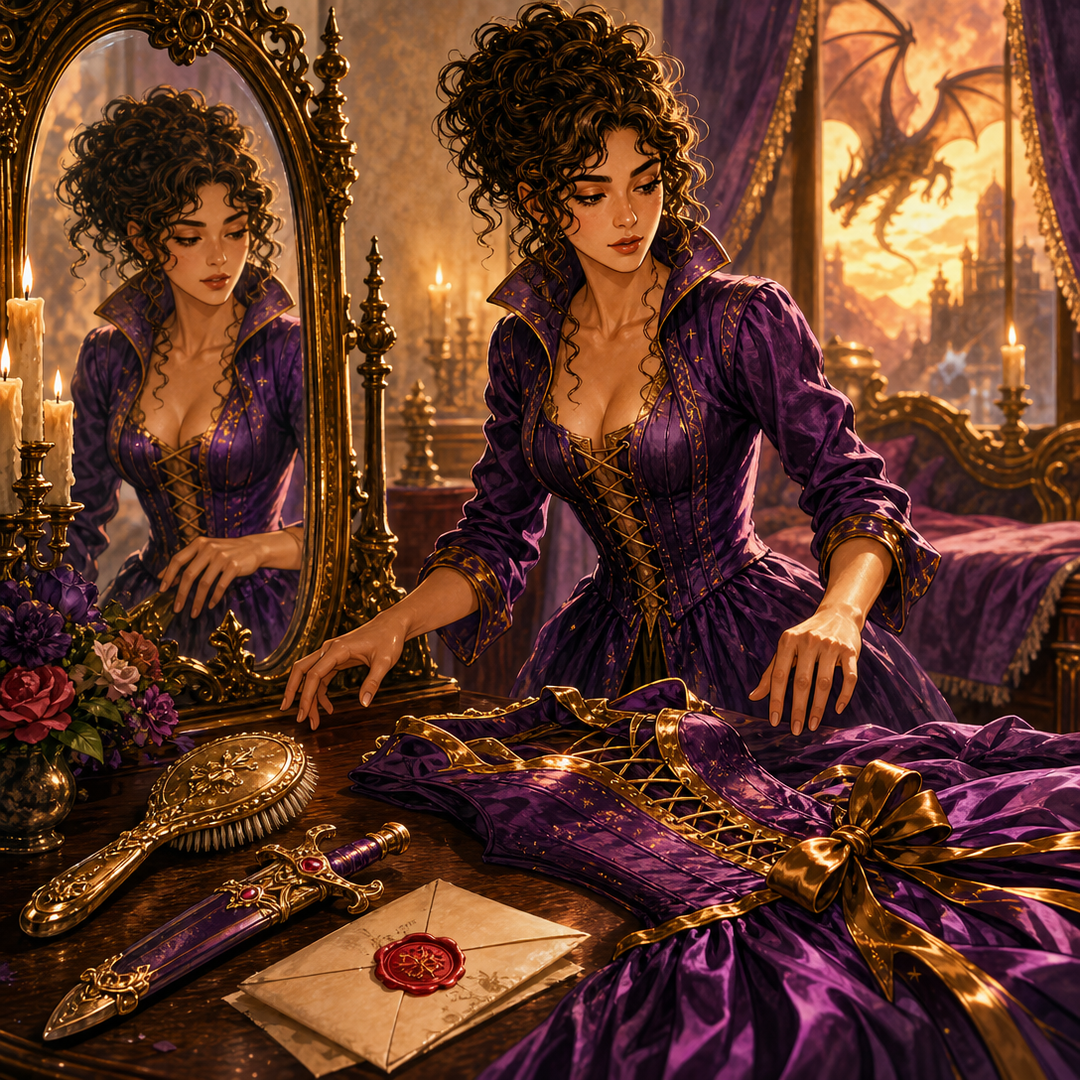
House of the Dragon gives us this in several flavors, all expensive and emotionally flammable.
Rhaenyra is raised close enough to power to smell the smoke before anyone else admits there is a fire. Alicent is moved through the world like a chess piece in a dress, then blamed when she learns the rules too well. Helaena feels like someone born too soft for the room she was placed in, which somehow makes the room look even worse.
That is the whole pull of the Poison Daughter story.
It asks: what does a girl become when the family treasure is also the family trap?
Sometimes she becomes sharp.
Sometimes she becomes silent.
Sometimes she becomes charming in a way that makes every adult in the room suddenly remember an appointment elsewhere.
Sometimes she becomes the one person who can see the family curse clearly because everyone else has been calling it tradition for two hundred years.
These stories are so satisfying because they turn inheritance into something physical. You can feel it. The necklace that sits too tight. The castle hallway where every portrait looks disappointed. The dinner table where one wrong sentence can ruin three lives and a poultry course.
And yes, the dragons help. Obviously. We are simple creatures with taste.
But the real hook is smaller and meaner: the daughter standing inside the beautiful life everyone told her to want, realizing the walls were built before she was born.
That is why we keep coming back to crowns with teeth.
Because most of us have felt some version of this, even without a throne or a suspiciously dramatic family tree. The expectation. The role. The name people give you before they know you. The old story you are supposed to keep repeating because everyone finds it convenient.
Fantasy just gives that feeling a castle, a bloodline, and occasionally a flying reptile with candle-melting breath.
The Poison Daughter is not only powerful because she might burn the whole place down.
She is powerful because she might decide, very calmly, that the inheritance stops with her.
And in a world full of crowns, houses, oaths, and ancient nonsense polished until it shines, that might be the most thrilling kind of fire.