Why House of the Dragon Is So Addictive: Succession Was the Dragon
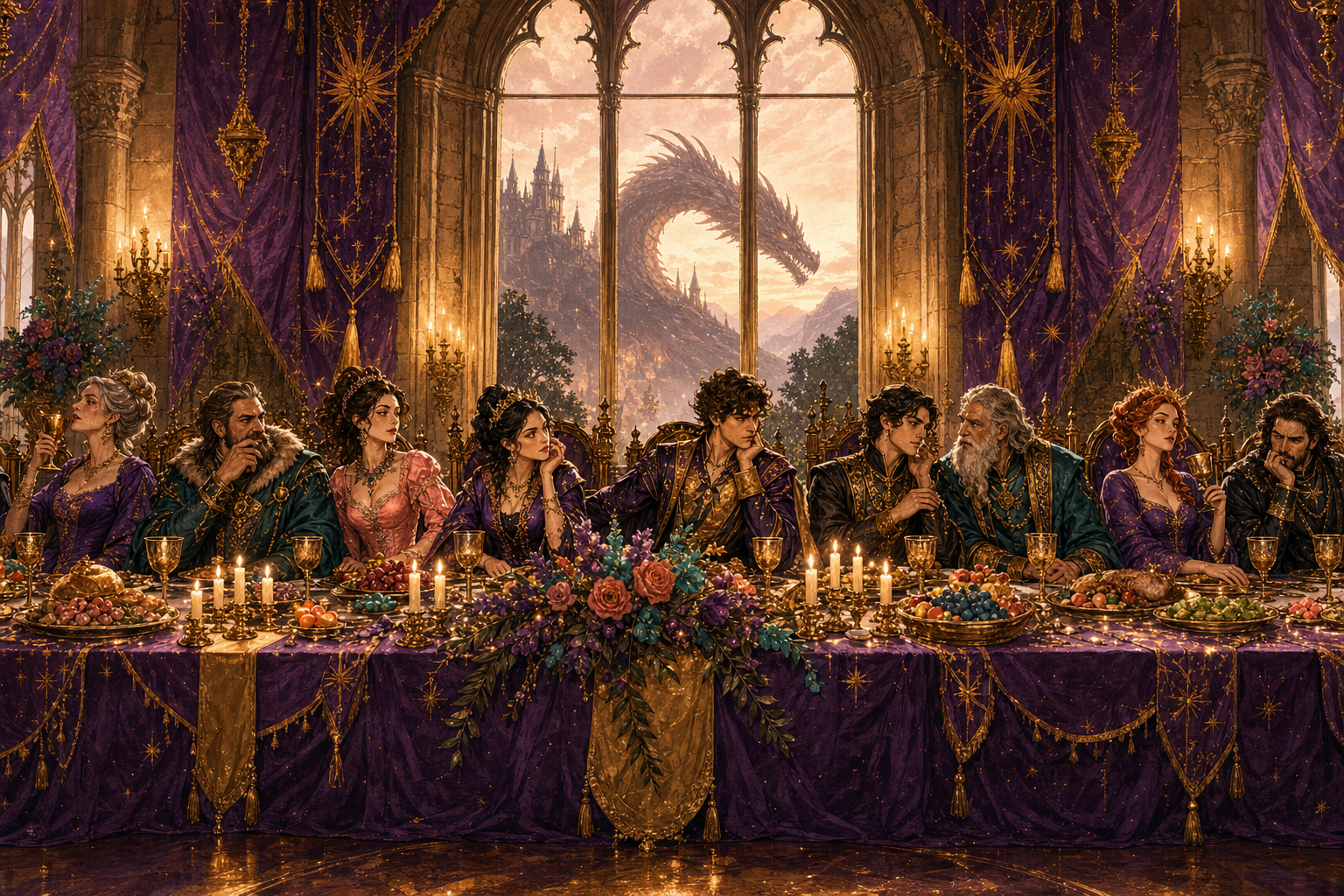
The dragons are splendid, but the real hook is a wealthy family discovering that a clear will might have saved everyone a great deal of roaring.
Why is House of the Dragon so addictive?
Because every episode looks at a castle full of people with dragons, crowns, prophecies, ancestral swords, several thousand candles, and then quietly asks:
Has anyone written down the plan?
The dragons are wonderful. Obviously. A dragon turns up and the whole room has to adjust its posture. It is hard to compete with a flying furnace that can end a council meeting from the roof.
But the real hook is much smaller and much worse.
It is watching a very wealthy family discover, repeatedly and in public, that succession planning matters.
HBO already gave us Succession, where a powerful family spent years circling one chair while everyone pretended this was a business strategy. House of the Dragon takes that same basic terror and adds wigs, swords, childbirth dread, and reptiles large enough to make architecture nervous.
The result is deadly simple.
A king says a thing.
Someone hears a different thing.
Someone else remembers an older thing.
A roomful of people with excellent cheekbones decide the safest answer is treason.
That is television. That is dinner. That is every family gathering where one person says, “Mum always wanted me to have the sideboard,” and suddenly three cousins are standing very still near the trifle.
The genius of House of the Dragon is that the big fantasy question is secretly a paperwork question.
Who gets the throne?
Who heard it directly?
Who was in the room?
Was anyone sober?
Was the king speaking clearly, or was he half-dead, full of milk of the poppy, and confusing his daughter with an ancient prophecy and a man named Aegon, which is not helpful because this family names every second person Aegon as if there was a bulk discount?
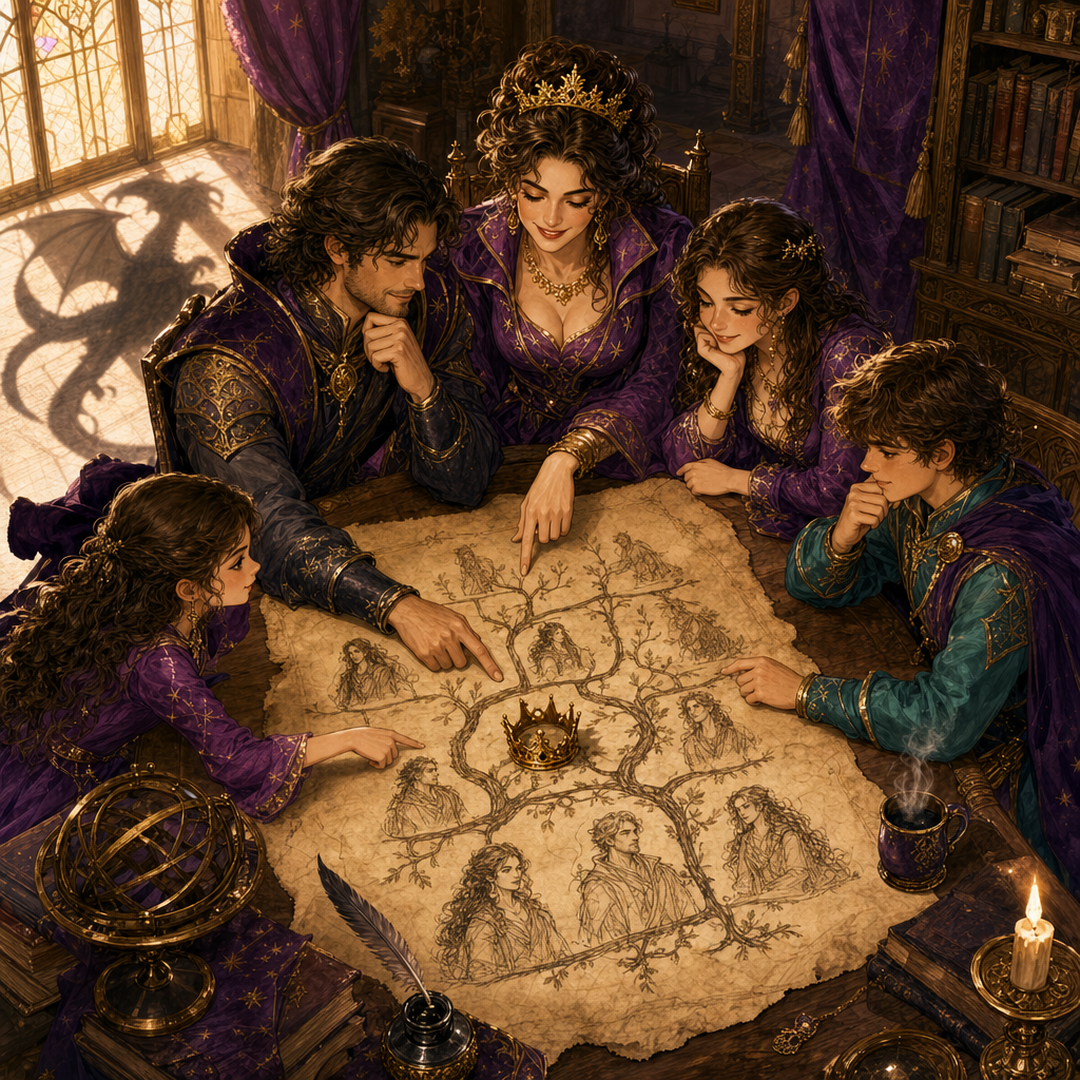
That is why we cannot look away. The show is full of dragons, but the danger keeps coming from words said softly in bedrooms, looks exchanged across tables, names placed in the wrong order, and fathers who think love can replace clarity.
Poor Viserys spends years trying to keep the peace by being kind, tired, and slightly damp. He wants everyone to behave because he has asked nicely. This is sweet. This is also how you end up with a civil war in the family scrapbook.
Rhaenyra is named heir, but the court keeps looking at her as if the announcement came with a footnote.
Alicent is told duty is holy, then handed a life where duty mostly means sitting beside powerful men while they turn private fear into public policy.
Daemon keeps entering rooms with the energy of a man who has never once improved a situation by being included, yet somehow must always be included.
Aemond loses an eye and gains the posture of someone preparing a speech in a mirror for six years.
Everyone is correct about one thing, wrong about five others, and absolutely committed to making the family tree harder to draw.
That is the hook.
Fantasy gives us distance. We can watch a throne room instead of a probate meeting. We can talk about dragonfire instead of inheritance law. We can enjoy the velvet, the torches, the battle maps, the alarming number of relatives marrying relatives, and still feel the very familiar pressure underneath.
Families are stories people tell about who belongs where.
Royal families make those stories official.
Then everyone has to live inside the version that survived the last argument.
House of the Dragon is addictive because it turns a simple human problem into spectacle: what happens when people want power, love, safety, and proof that they mattered, all from the same chair?
The dragons make it mythic.
The succession dispute makes it horribly recognisable.
A dragon can burn a city.
An unclear sentence can get there first.